There is a particular kind of overconfidence that appears the moment a job looks “quick”. Cleaning out a gutter, repainting a window frame, replacing an exterior light fitting: these are the jobs that tempt people onto an ageing ladder with the claim that it will only take five minutes. In practice, those five minutes often stretch, and the risk stretches with them.
Part of the problem is that domestic maintenance rarely feels serious enough to plan properly. We save safety thinking for major building work, not for jobs squeezed into a Saturday morning. Yet one wobbly reach at the wrong angle can do more damage than an afternoon of careful preparation.
That is why more householders and small trades are taking temporary access a bit more seriously. For work that needs both hands free, a stable platform often makes more sense than repeated trips up and down a ladder. Looking into access tower hire is less about making a job look professional and more about making it workable. It can mean better posture, fewer awkward stretches and a tidier finish.
The boring choice is often the right one
Good decisions on practical jobs are rarely glamorous. They are usually the dull ones made before anything starts:
- checking the ground is level and firm,
- allowing enough time instead of rushing,
- using equipment that suits the actual height and reach required.
None of this is exciting, but that is the point. Many avoidable mishaps come from treating access as an afterthought. A homeowner tackling overdue repairs and a sole trader moving between small sites face the same basic problem. The sensible option is usually the one that lets you work steadily rather than precariously. For jobs above head height, that matters far more than bravado.
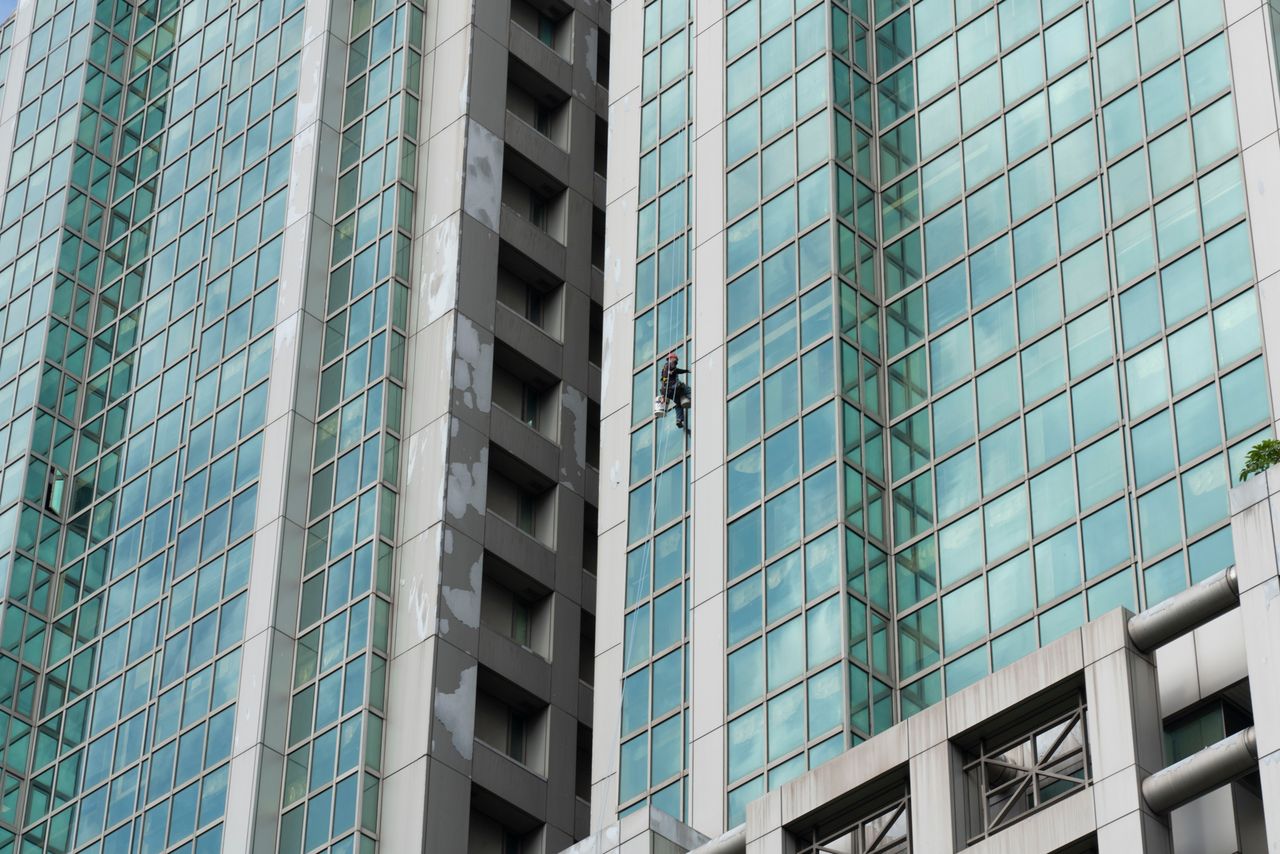
Featured image by Jimmy Liao via pexels.