
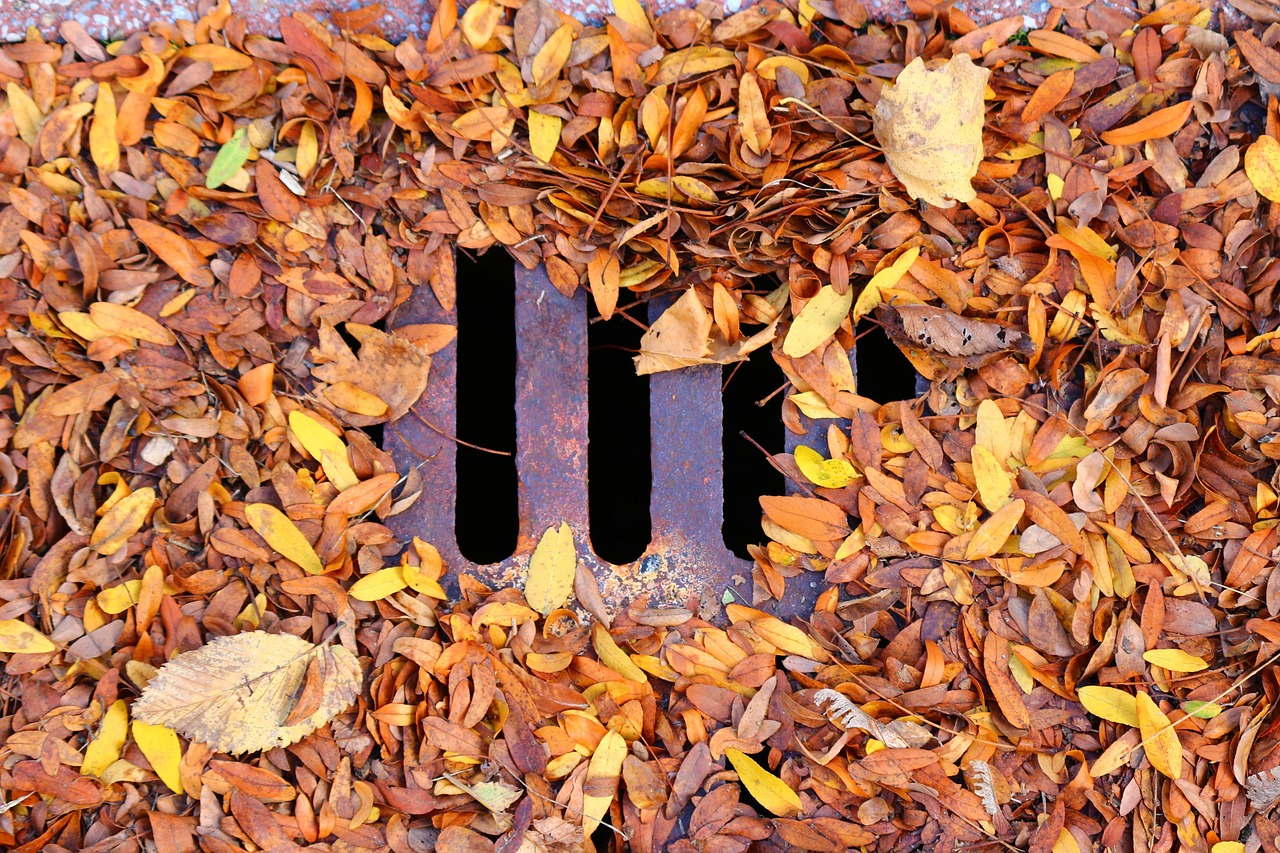
Every town has its seasonal nuisance. In Didcot, autumn often brings leaves stuck to pavements, gutters clogged with wet debris, and roadside drains struggling under the load. It is not the most glamorous part of local life, but people tend to notice these background systems only when they fail. A heavy downpour after a dry spell can turn a manageable build-up into standing water, foul smells, or a gurgling sink at home.
Part of the problem is that drainage trouble rarely starts with a dramatic flood. It usually begins with small habits and minor blockages: fat poured down the kitchen sink, wet wipes labelled “flushable”, moss and silt collecting in outside gullies. In a growing town, where older streets sit close to newer estates, the problem can change from one road to the next. That is why local search terms such as blocked drains Didcot matter more than they first seem. They point to something practical: people want information that fits the place they live, not generic advice that could apply anywhere.
A few sensible checks before winter
- Clear leaves from external drains and grates.
- Avoid pouring cooking fat down sinks.
- Watch for slow drainage after heavy rain.
- Treat repeated gurgling or bad odours as an early warning.
There is also something revealing here about modern local life. We expect hidden infrastructure to work without fuss until it doesn’t. Then drains suddenly become everyone’s business. A blocked gully outside one house can affect the whole pavement, and a neglected grate can leave a puddle sitting there for days. It is hardly exciting, but keeping water moving is one of the quiet jobs that helps a town work properly.
Featured image via Pixabay.